Read Our Latest Blogs
Stay Up-to-Date on the Latest Cybersecurity Trends and Best Practices with Our Informative Blog Posts
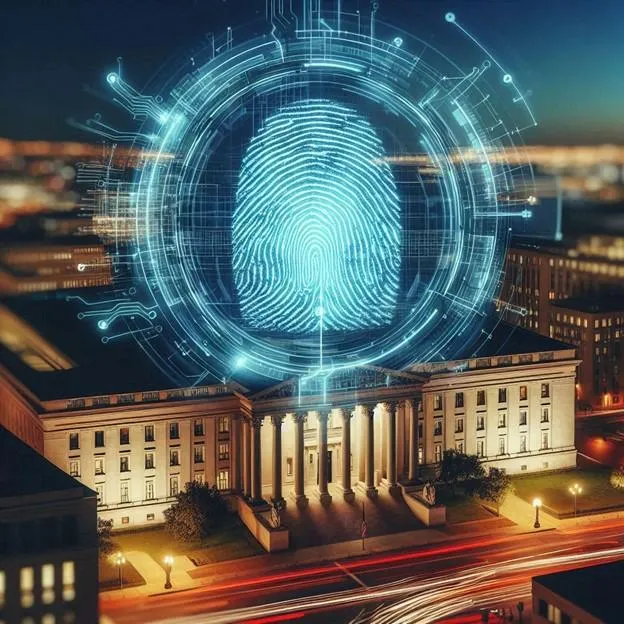
Cybersecurity for Government Agencies: Protecting Sensitive Data
In an era where cyber threats are increasingly sophisticated, government agencies face unique challenges in safeguarding sensitive data. Ensuring robust cybersecurity measures is crucial to protect national security, public safety, and citizens' personal information.
What Are the Unique Cybersecurity Challenges for Government Agencies?
Government agencies handle vast amounts of sensitive data, from classified information to personal details of citizens. The complexity of their operations and the critical nature of their data make them prime targets for cyberattacks. Challenges include:
- Legacy Systems: Many government agencies rely on outdated technology, making them vulnerable to modern cyber threats.
- Diverse Threat Landscape: Cyber threats range from nation-state attacks to ransomware and insider threats.
- Resource Constraints: Limited budgets and resources can hamper the implementation of comprehensive cybersecurity measures.
Key Components of Government Cybersecurity:
To address these challenges, government agencies must adopt a multi-layered approach to cybersecurity, including:
- Risk Assessment: Regularly evaluating vulnerabilities and potential threats.
- Access Controls: Implementing strict access controls to limit who can access sensitive data.
- Encryption: Encrypting data both in transit and at rest to protect it from unauthorized access.
- Incident Response Plan: Establishing a robust incident response plan to quickly address and mitigate cyber incidents.
- Employee Training: Providing continuous cybersecurity training to employees to recognize and respond to threats.
Implementing Advanced Cybersecurity Measures:
Advanced measures that government agencies can adopt include:
- Zero Trust Architecture: A security model that assumes no entity, whether inside or outside the network, can be trusted by default.
- AI and Machine Learning: Utilizing AI and machine learning to detect and respond to threats in real-time.
- Continuous Monitoring: Implementing continuous monitoring systems to detect and respond to suspicious activities promptly.
- Collaboration and Information Sharing: Collaborating with other agencies and private sector partners to share threat intelligence and best practices.
Protecting sensitive data is paramount for government agencies to maintain national security and public trust. By adopting a comprehensive and proactive approach to cybersecurity, agencies can defend against evolving threats and safeguard their critical information.
Strengthen your agency's cybersecurity posture today! Discover our tailored solutions and expert resources designed to protect sensitive data and ensure national security.

Hear What Our Clients Say
Real-World Results: Hear from Our Clients About the Value of Our Cybersecurity Expertise

George Owens

As technology continues to advance, so must our cybersecurity practices to stay ahead of the game."

Max Tanner
The rapid digital transformation of various industries has made cybersecurity a critical aspect of daily operations, and it's reassuring to know that there are experts and technologies available to help mitigate risks and safeguard against potential attacks

Kim Wexler
It's essential for individuals and businesses to prioritize cybersecurity to protect sensitive data and maintain business continuity.

Billy Jackson
As someone who understands the importance of data security, I appreciate the emphasis on cybersecurity in today's digital landscape. With cyber threats becoming increasingly sophisticated and frequent.

Copyright © 2024 Cybersecurity Advisors | Managed IT Services, IT Consulting and Cybersecurity
letstalk@cybersecurityadvisors.io
801-438-6690